CASMaT International Summer School
Explore the theory, methods and technologies behind advanced multiscale testing of structures and materials
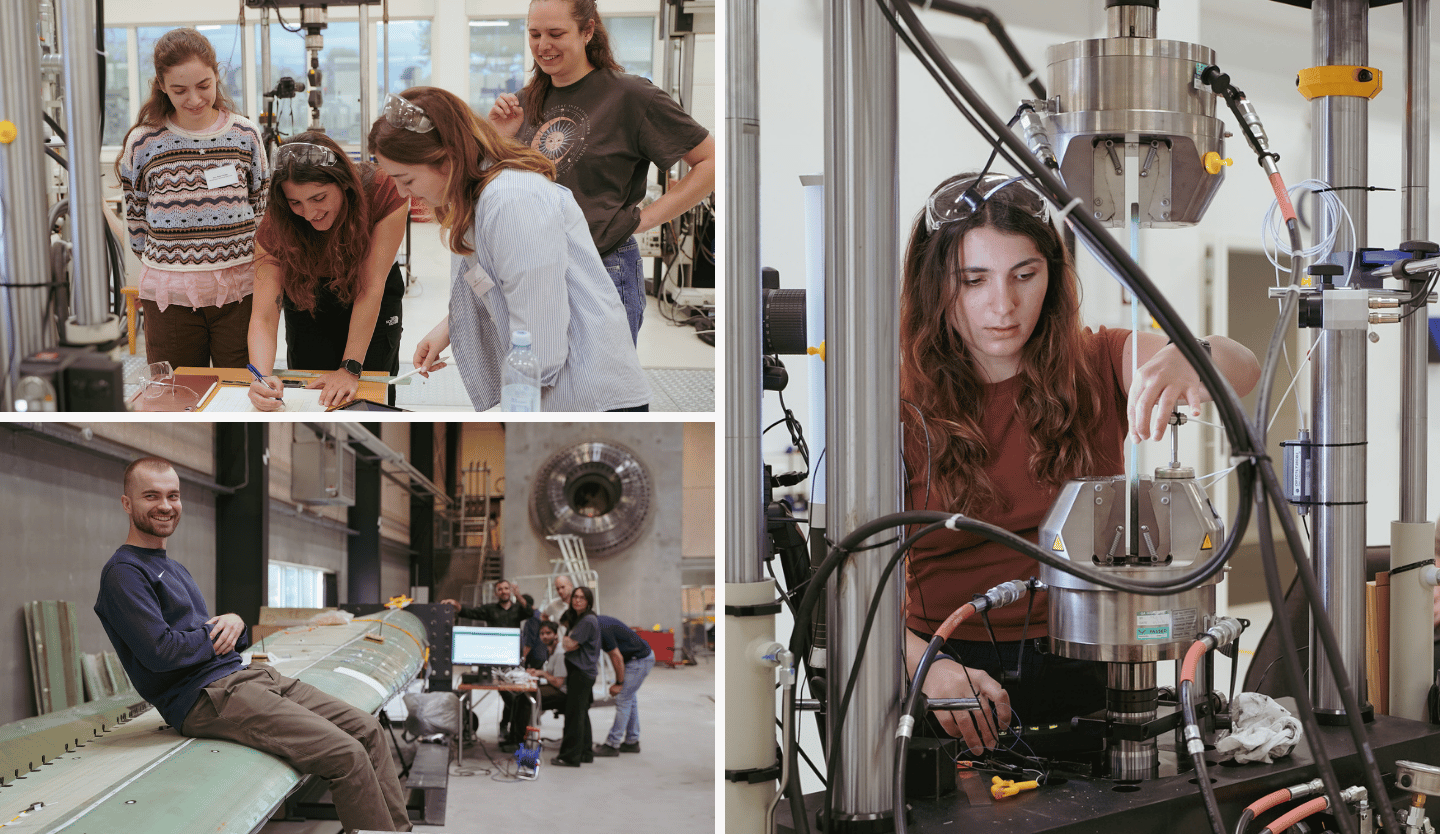
The CASMaT International Summer School combines lectures, technical discussions, hands-on laboratory work and other learning activities to provide a deeper understanding of advanced measurement and testing techniques and methodologies. The programme also offers a setting for scientific exchange, bringing together students, researchers and industry professionals with leading experts in the field to discuss emerging approaches, share perspectives and establish new professional connections.
The summer school is organised in collaboration between DTU’s Department of Wind and Energy Systems and Department of Civil and Mechanical Engineering through the Villum Center for Advanced Structural and Material Testing (CASMaT), a shared research facility between the two departments.
The next edition is currently being planned. Follow this page for more updates.
Programme highlights
Each edition focuses on the latest developments in advanced testing and measurement. While the programme evolves from year to year, previous editions have included:
- Lectures by leading researchers
- Hands-on laboratory sessions and demonstrations
- Practical activities connecting theory with experimentation
- Networking opportunities with participants from academia and industry
From theory to practice
Since its first edition in 2025, the CASMaT International Summer School has welcomed more than 45 students from around the world, marking the beginning of an international summer school dedicated to advanced measurement and testing.
The experimental work, lab tours, and lectures were very interesting. It was a great opportunity to gain hands-on experience with different setups and equipment that we normally wouldn’t have the chance to work with.
Highlights of the 2026 edition


Key information
Contact
Xiao Chen Head of Section Department of Wind and Energy Systems xiac@dtu.dk
Tristan Willem Hamers Lab Manager Department of Wind and Energy Systems twiha@dtu.dk
Henrik Stang Professor Department of Civil and Mechanical Engineering hest@dtu.dk